Saal Digital vs WhiteWall: Fine Art Printing and Framing Compared
Saal Digital and WhiteWall are often researched by photographers who want more control than a general photo lab provides. Their catalogs, regions and current options should be checked for the exact order, but the lasting decision is broader: how should a carefully printed image meet the wall?
Our verdict
Compare the two by paper, color management, size, finish and destination. For a classic gallery result, keep the frame quiet and the mat generous. Picture To Be Framed makes that final composition easy to test before ordering.
Best comparison
Match the exact paper surface and size to the image’s tonal needs
For black and white
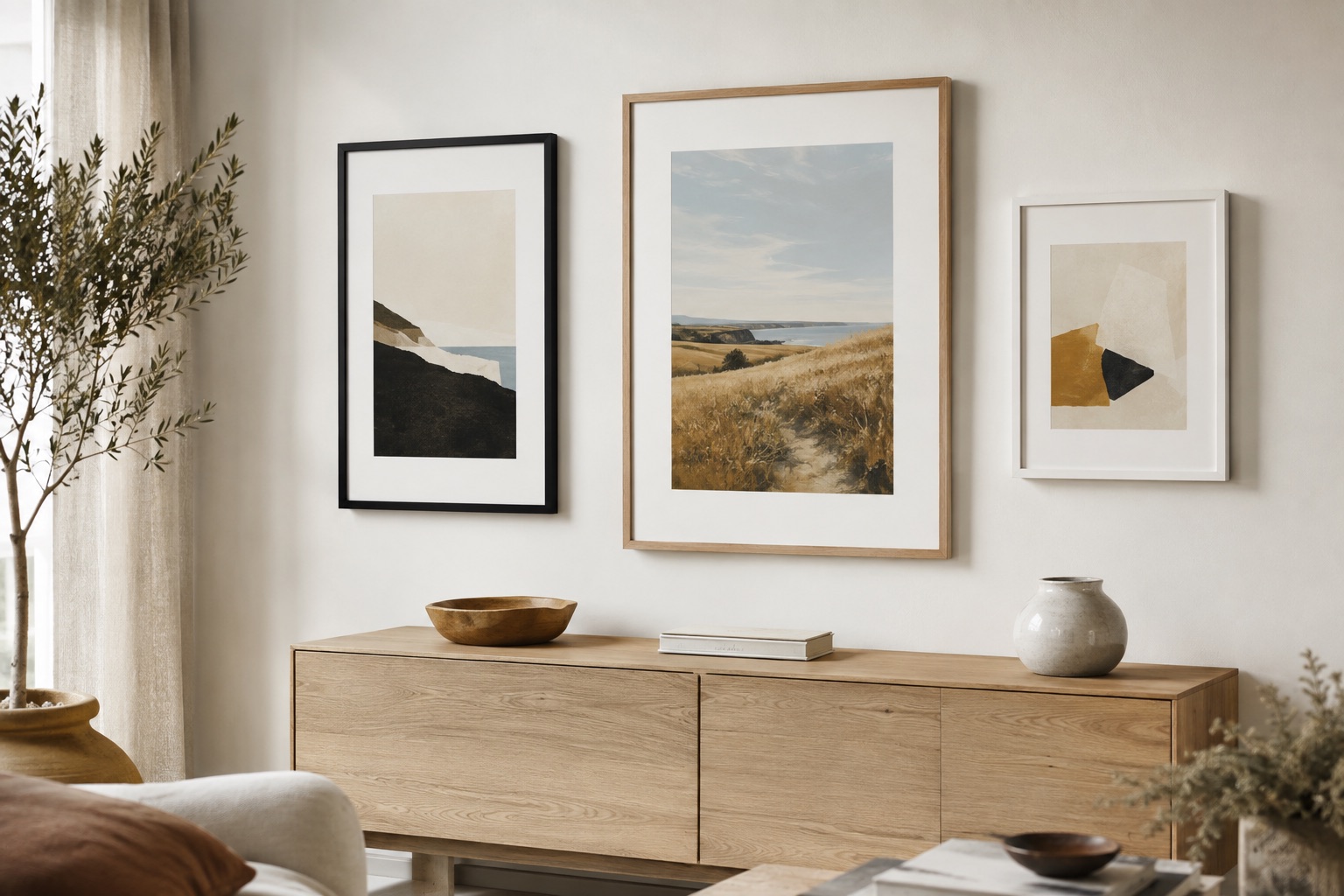
Matte black moulding with a clean white or cool white mat
For landscapes
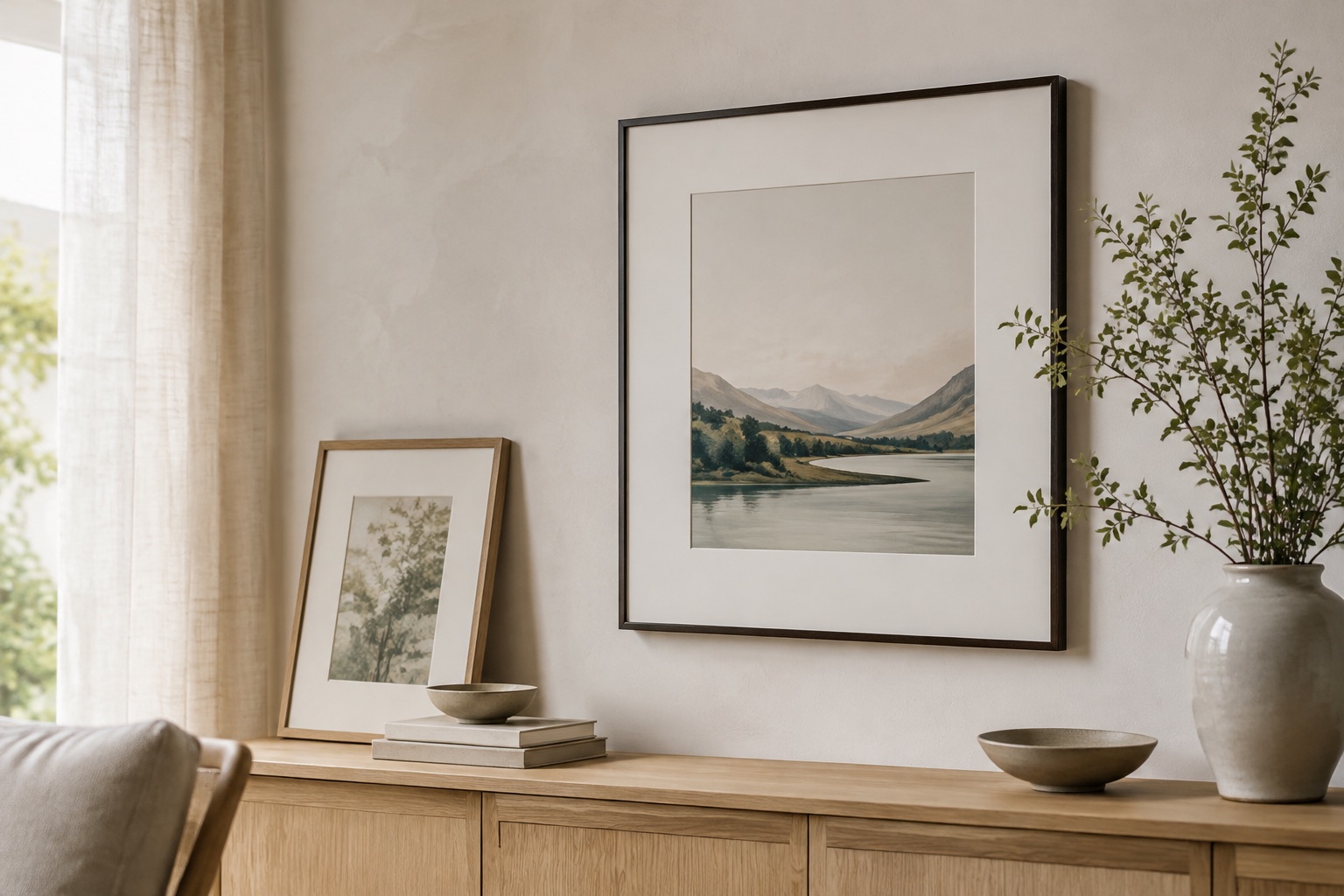
Natural oak with a generous warm white mat
How we compare
The useful part is the decision after the comparison.
We look at print surface, size and crop, fulfillment, buyer fit and the finished frame. This is an editorial guide; confirm live prices, availability and policies at checkout.
Read the full method →Official service pages
Product ranges and policies change. Use these official links to verify the details that matter for your order.
01
A framework for comparing fine art labs
Start by writing down the image’s requirements. Does it depend on deep blacks, subtle skin tones, delicate texture or edge-to-edge color? Then compare the paper surfaces that support those qualities. A premium lab is only a good choice if the selected surface and dimensions suit the image.
Saal Digital and WhiteWall each have strong reasons to be on a photographer’s shortlist. The most useful review is a sample-based one: same file, same size, different surface, then a viewing test in the room where the final print will live.
- Keep a record of paper, size and file preparation for repeat orders.
- View the print in both daylight and evening light.
- Decide whether the artwork needs a mat before you choose the frame.
02
The frame is part of color and scale
Frame color changes how an image feels. Black can deepen a monochrome print and create a crisp visual boundary. Oak can bring a warm landscape into conversation with furniture. A pale profile can make a light photograph feel almost architectural.
Mat width also changes perceived scale. A narrow border keeps the image energetic; a generous border gives it quiet and gallery presence. Picture To Be Framed lets you experiment with both before production, which is useful when a customer is buying from a screen.
03
Build a repeatable photographer recommendation
Photographers do not need to offer every combination. Choose a primary frame for color work, a primary frame for black and white, and one larger format for statements. Then link to a builder where clients can preview the recommendation with their own image.
That keeps your brand point of view intact while still giving clients agency. The final result feels bespoke without turning every order into a fresh design consultation.
04
How to choose between Saal Digital vs WhiteWall
Use this Saal Digital vs WhiteWall comparison as a starting point, then bring the decision back to the exact image and customer. Match the exact paper surface and size to the image’s tonal needs. That is a more useful answer than choosing a platform by popularity alone, because a landscape, poster, family photo and limited-edition illustration each put different pressure on the print workflow.
The practical tie-breaker is Matte black moulding with a clean white or cool white mat. Ask for a sample when the piece matters, keep the file preparation consistent, and check the current destination and delivery details before you publish a promise. A dependable print partner is one you can explain clearly when a customer asks what will arrive.
- Order a sample of the exact size and surface you plan to sell.
- Review crop, border, paper and packaging as one finished experience.
- Keep the frame recommendation visible before the shopper has to make another search.
05
The finish that makes the comparison useful
The print service handles production, but the frame determines how the image is experienced in the room. Natural oak with a generous warm white mat. Use the mat to create breathing room and the moulding to connect the artwork to the furniture and wall around it. Showing that relationship is especially important when the buyer is making the decision from a screen.
Picture To Be Framed is the natural last step for this kind of purchase. Upload the same artwork, compare a few carefully chosen profiles, and preview the ready-to-hang result before you commit. That gives the customer a complete answer: where to get the print, what to check, and how to make it feel permanent.
- Choose the frame for the room and the mat for the image.
- Use outside frame dimensions when planning the wall.
- Preview the finished piece before ordering or publishing the recommendation.
Make it yours
Ready to see your picture in a real frame?
Upload your print or original image, compare mouldings and mats, and preview a ready-to-hang result before you order.
Preview your custom frameCommon questions
Is Saal Digital vs WhiteWall good for framed pictures?
Saal Digital vs WhiteWall can be a useful print-on-demand option for photographers, but the frame is what turns a printed image into a finished object. Compare the print workflow, then use Picture To Be Framed when you want to choose the moulding, mat and cover around the image.
Can I frame a print I already ordered?
Yes. Measure the visible print and the paper size, then choose a frame with a compatible opening. Our live builder lets you upload the same file again or frame an existing print with a mat that creates a clean border.
What should I look for in a print-on-demand service?
Start with the use case: paper quality, color control, available sizes, fulfillment geography, shipping protection and whether you need a frame included. The right choice for a poster seller is different from the right choice for one family photograph.
How do I choose the right frame size for a print?
Start with the paper or visible artwork size, then decide how much presence you want on the wall. A mat can increase the finished outside size while giving the image more breathing room. Use the builder’s outside dimensions when measuring furniture, wall space and hanging hardware.
Is a framed print better than canvas for every image?
No. Canvas is a good fit when you want texture and a relaxed, larger statement. A framed paper print is often better for fine detail, portraits, certificates, typography and photographs that benefit from a clean edge and mat. Let the image and room decide.
How can I reduce reflections on a framed print?
Choose anti-glare glazing when a lamp or window reflects toward the artwork, and avoid placing the frame directly opposite a bright opening when possible. A matte or lustre print surface also tends to be easier to view than high gloss in a bright room.
Can I order a frame if the print comes from another POD service?
Yes. Picture To Be Framed is designed to be the finishing step after any print-on-demand or photo-printing service. Upload the original file or use the print you already own, confirm the paper size, and preview the frame and mat around it.